
%20(32).png)
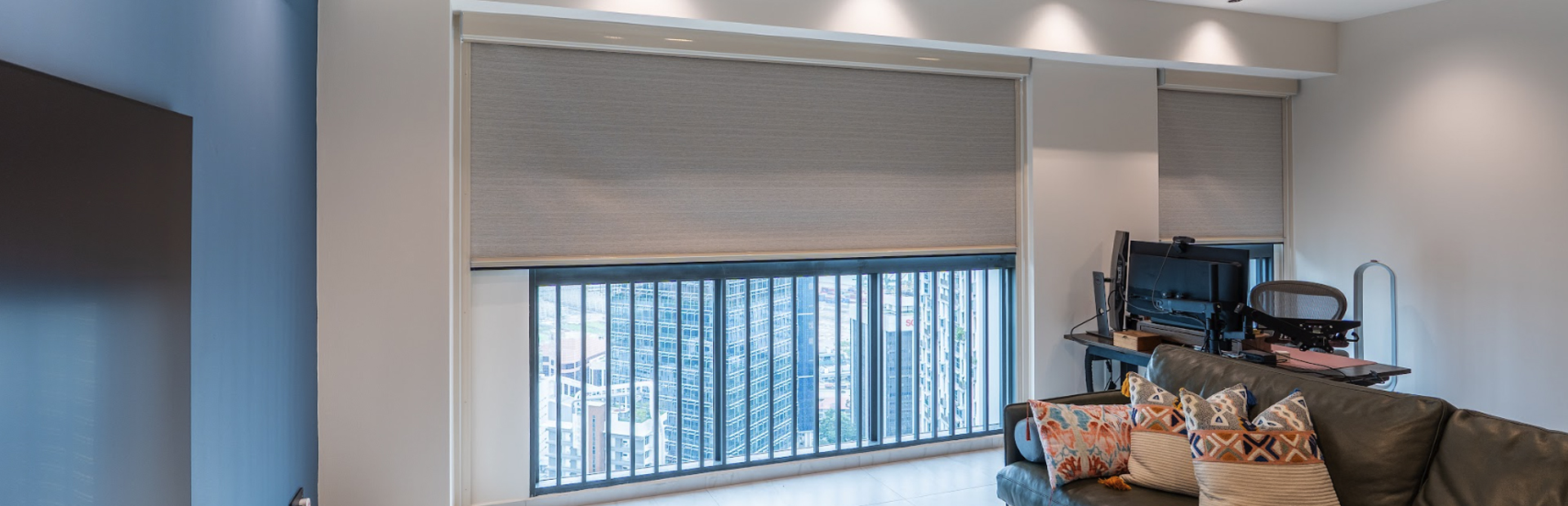
More Singapore homeowners are using outdoor blinds to make their semi-outdoor spaces more comfortable in our tropical climate. On the surface, many of these blinds may look similar, but the engineering underneath can vary.
Two of the most commonly compared options are Ziptrak® and zipper-style outdoor blinds. Both aim to keep the blind fabric stable and the elements out, but they go about it differently.
Understanding those differences is the first step to choosing the right option for your home.
Outdoor blinds face constant exposure to the elements. They have to contend with intense UV exposure, high humidity, heavy rain, and sudden gusts, plus the wear of daily use.
The way the fabric is held within the side tracks can affect its stability under pressure, ease of operation, and long-term durability. While both Ziptrak® and zipper blinds aim to keep the blind taut and prevent flapping, they do so with differing mechanisms.
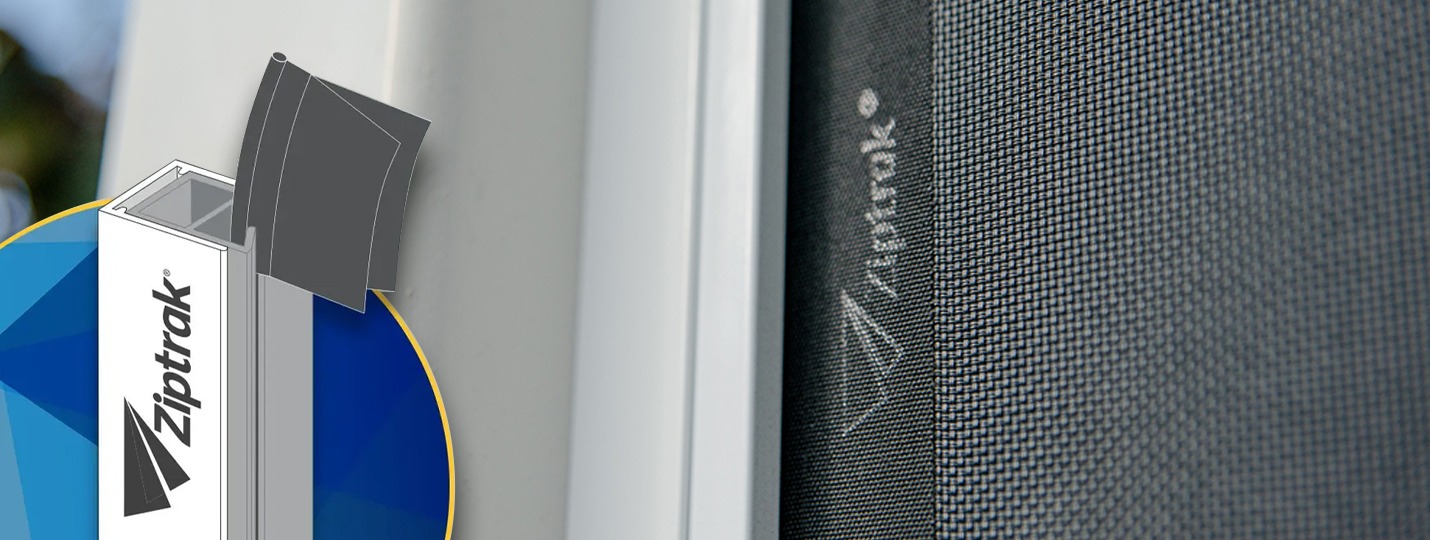
Ziptrak® uses a patented side spline, with the blind fabric welded to the spline and the spline retained within the side track to hold the fabric securely in place.
The spline has a sturdy PVC core encased in a premium keder tape, finished with an acrylic lacquer. This finish helps it resist mildew and soiling.
Because the spline is wider than a zipper edge, it provides a more substantial grip within the track. This keeps the fabric guided as it moves, reducing flapping in windy conditions and creating a more stable enclosure.
This makes Ziptrak® a strong choice where performance in exposed spaces is the priority.
Zipper-style outdoor blinds work differently. Their fabric edge has a welded zip that feeds into a locking side channel to guide the blind up and down.
This design produces a slimmer, more concealed side profile. It may be preferred by homeowners who want an even cleaner, minimalist look.
However, smooth operation depends on factors such as correct installation, channel alignment, and appropriate tensioning of the side rails.
One common problem is friction along the zipper edge. This friction can cause resistance, which becomes noticeable when operating the blind. Over time, this ongoing wear can reduce the smoothness and overall performance of the track system.
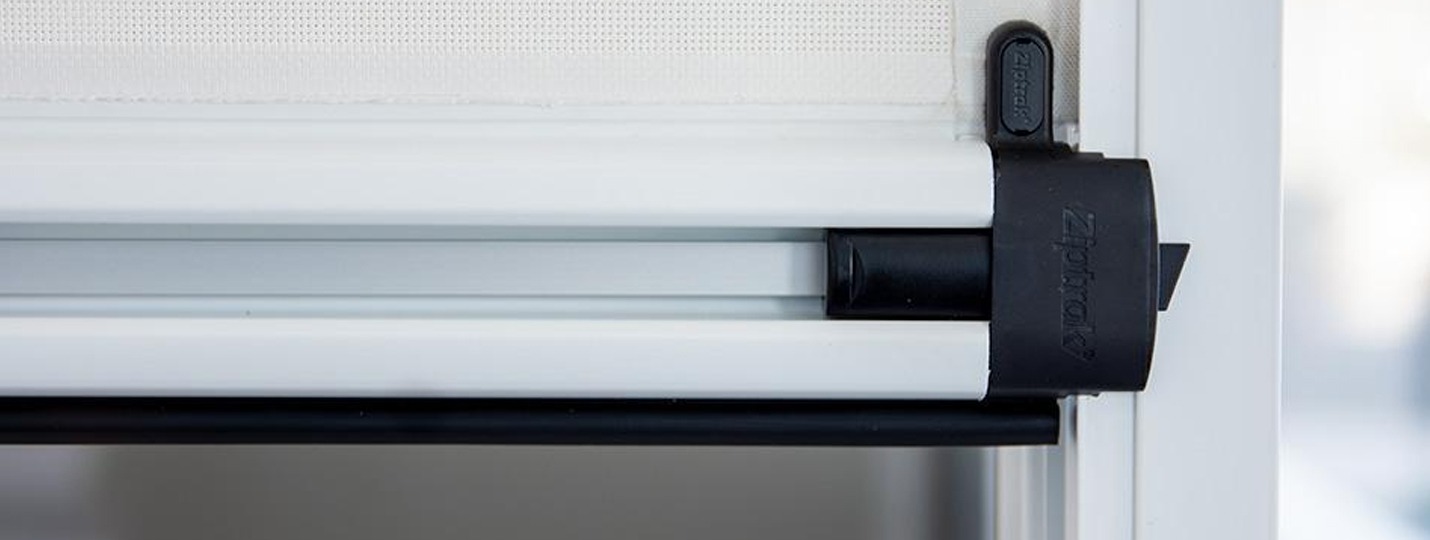
The key difference between the two is the retention profile. Ziptrak®’s spline-retained system uses a more substantial retention profile, designed to keep the fabric securely guided within its track under load.
Especially in high-rise apartments, wind pressure forces a lowered blind to withstand significant load. This trapped energy is channeled entirely to the sides of the blind, highlighting the critical importance of secure side-channel anchoring.
Ziptrak®’s side-channel approach is designed exactly for these conditions, helping the blinds to stay stable even under high wind conditions.
Zipper systems can also perform well under load but are generally more sensitive to imprecise installation. Misaligned channels or over-tensioned rails can easily create friction that worsens over time.
Due to the slimness of the half-zipper, the fabric can also dislodge from the tracks during strong-wind conditions.
Both systems can help create a more sheltered balcony environment. However, Singapore’s year-round heat, UV exposure, humidity, and heavy rain mean that both the track system and fabric selected can influence long-term performance.
Ziptrak®’s robust spline retention helps maintain fabric stability in exposed areas, so it may be a suitable option for those who want a more hard-wearing solution.
For zipper systems, keeping tracks clean and properly aligned is especially important, as the narrower zipper guide needs a smooth channel to function.
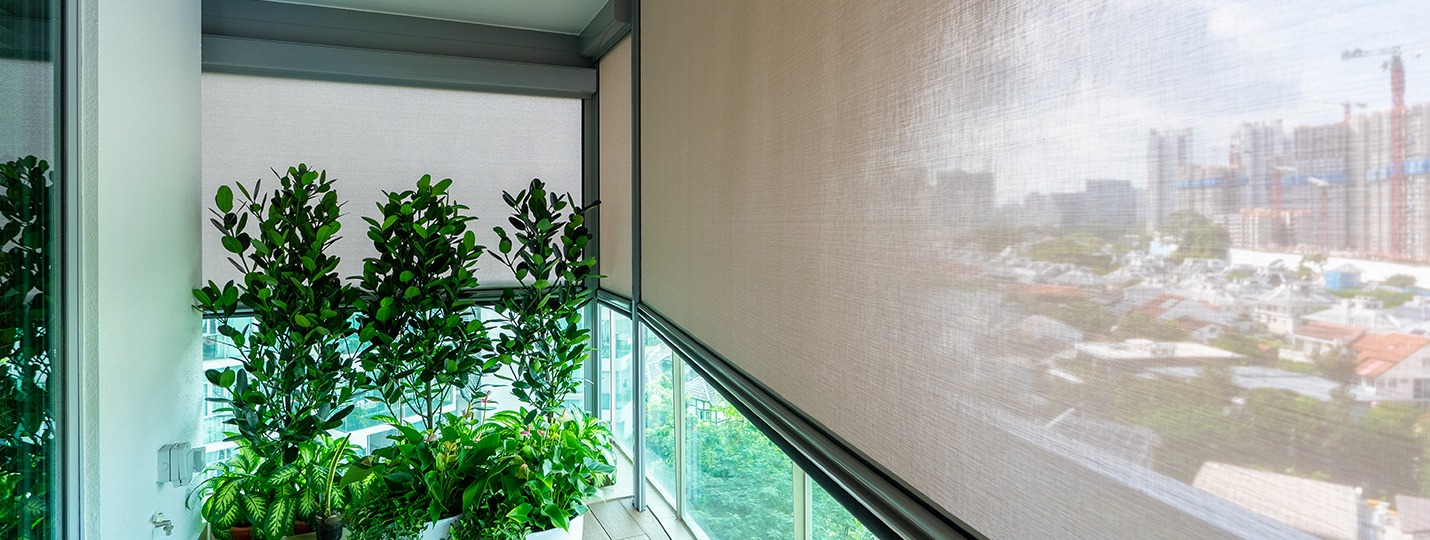
Outdoor blind performance in windy conditions goes beyond any single wind rating. Factors like blind size, installation surface, fabric type, and fixing method can all affect performance.
Ziptrak® has been tested in local TÜV SÜD PSB testing to withstand static wind loads equivalent to wind speeds of up to 260 km/h*, under specified test conditions and installation requirements. This demonstrates the system’s suitability for demanding outdoor conditions, including exposed and high-rise spaces.
Zipper-style systems can also provide good wind resistance, but performance depends on installation accuracy and ongoing channel maintenance.
*In local tests conducted with TÜV SÜD PSB in Singapore
In Singapore’s unpredictable weather, homeowners have to adjust their blinds frequently. They have to open them for the cool evenings, close them against the sun, or close them against showers.
Ziptrak® is a track-guided blind system designed for smooth and effortless operation. Manual blinds use a spring-balanced mechanism that lets you raise, lower, or stop the blind at any height with one hand. Both manual and motorised options can be operated without cords, chains, or crank handles.
Other blinds are also available in manual and motorised options, but their performance can depend on proper installation and regular maintenance to ensure smooth operation over time.
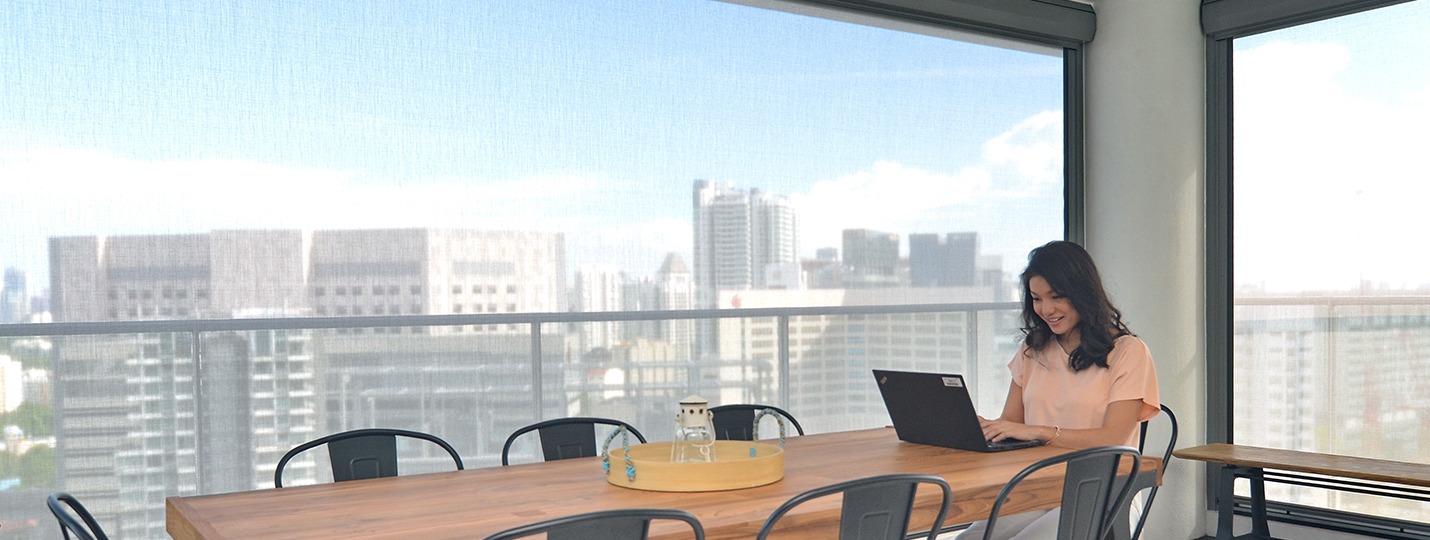
Beyond performance, homeowners may also want to consider how the blind system fits into the overall aesthetics of their home.
Zipper systems use a zipper edge that sits within the side channel. This creates a different side profile compared with Ziptrak®'s track-guided system, where the side spline is visible along the channel.
Ziptrak® is a track-guided blind system. Its side spline is more visible, but its design prioritises secure fabric retention and outdoor performance. This may appeal to homeowners who place greater importance on performance than on a minimal side profile.
Both systems offer different fabric options for considerations such as noise reduction, privacy, visibility, heat and glare reduction, airflow, and rain protection. This allows homeowners to select a system and fabric combination that best suits their balcony’s conditions, intended use, and design preferences.
Like any outdoor blind system, both Ziptrak® and other zipper-style blinds benefit from regular cleaning and basic care, particularly in Singapore’s humid, rainy climate.
With Ziptrak®, the side spline is retained within the track without relying on a zipper mechanism to engage and disengage during operation. This straightforward retention system helps keep the blind moving smoothly with basic cleaning and care.
Zipper-style blinds have a narrower zipper guide that runs within the side channel. Keeping this channel clean and properly aligned is therefore important to minimise friction and help maintain smooth operation over time.
When choosing outdoor blinds for a balcony or semi outdoor space, it is important to consider factors such as wind exposure, weather conditions, frequency of use, ease of operation, durability, and overall design.
Ziptrak® is a track-guided blind system designed for outdoor applications, with a focus on secure fabric retention, ease of operation, and weather protection. It is well suited to balconies and other exposed areas where reliable everyday performance is important.
Different blind systems may vary in their track design, fabric retention method, installation requirements, and available fabric options. These factors can affect how the blinds perform in different outdoor environments.
Visit the ClimaShield showroom to experience Ziptrak® blinds in person and explore the options available for your space.


