
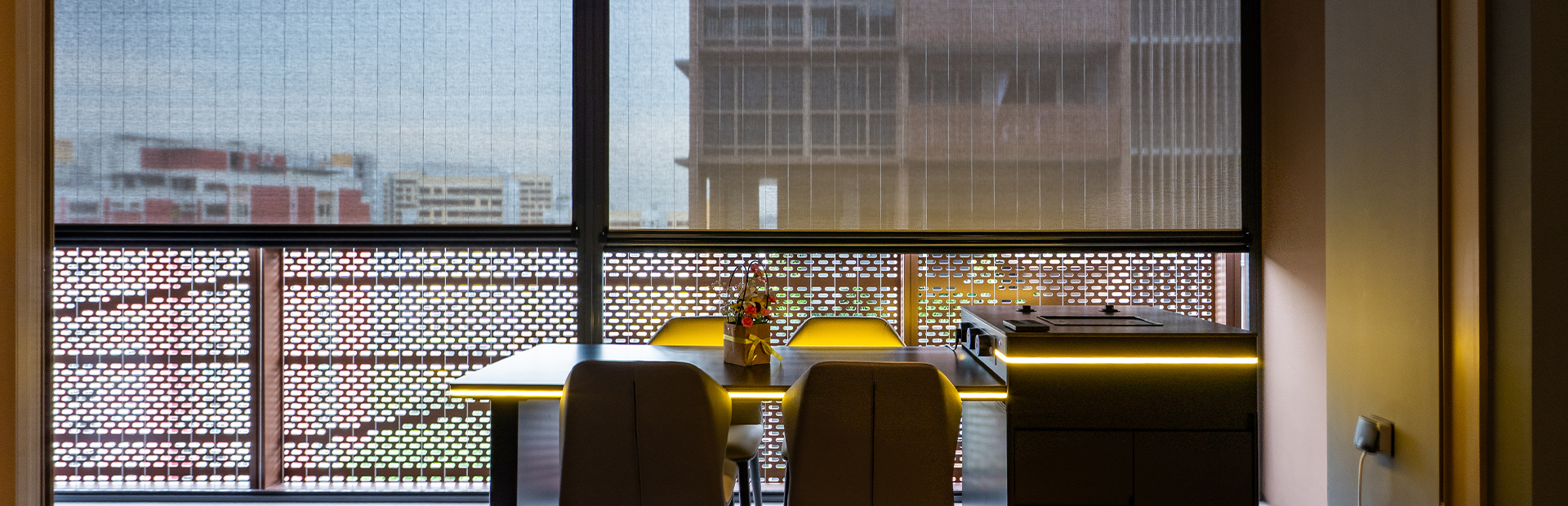
Noise is a common concern for many homeowners in Singapore. Even in high-rise units dozens of floors above street level, it’s not unusual for sounds from traffic, construction or MRT tracks to still make their way into the home – often through the balcony area.
As a result, many homeowners look into solutions such as soundproof curtains or noise reducing blinds. However, the effectiveness of these solutions can vary, especially if the path of noise is not properly addressed.
The design of the balcony itself can also influence how sound travels into your home. This, in turn, affects the types of solutions most likely to yield results for acoustic dampening.
Understanding this and how sound travels and enters the home can help you plan your noise-reduction efforts more effectively.
Balconies in Singapore are typically semi-open by design. While this improves ventilation and openness, it also means there is less separation between outdoor noise and indoor living areas.
Common sources of balcony noise include traffic, nearby construction, and surrounding neighbourhood activity. Some homeowners may also look for ways to reduce MRT noise or minimise noise from neighbouring units.
Sound naturally travels through the easiest available openings and surfaces. That means unsealed openings in your building, like the open balcony, will let sound into your home.
Sound can travel into the home through several pathways. Recognising these is the first step to creating your noise-reduction strategy.
It’s important to note that this type of airborne noise differs from impact noise from neighbours. Impact noise involves physical vibrations like running footsteps or dragging furniture. Balcony noise is largely atmospheric, by comparison.
Effective balcony noise reduction often involves a combination of sound blocking and sound absorption strategies. Since completely blocking all sound is extremely difficult, the reduction layer can help mitigate what does get through the first layer of protection.
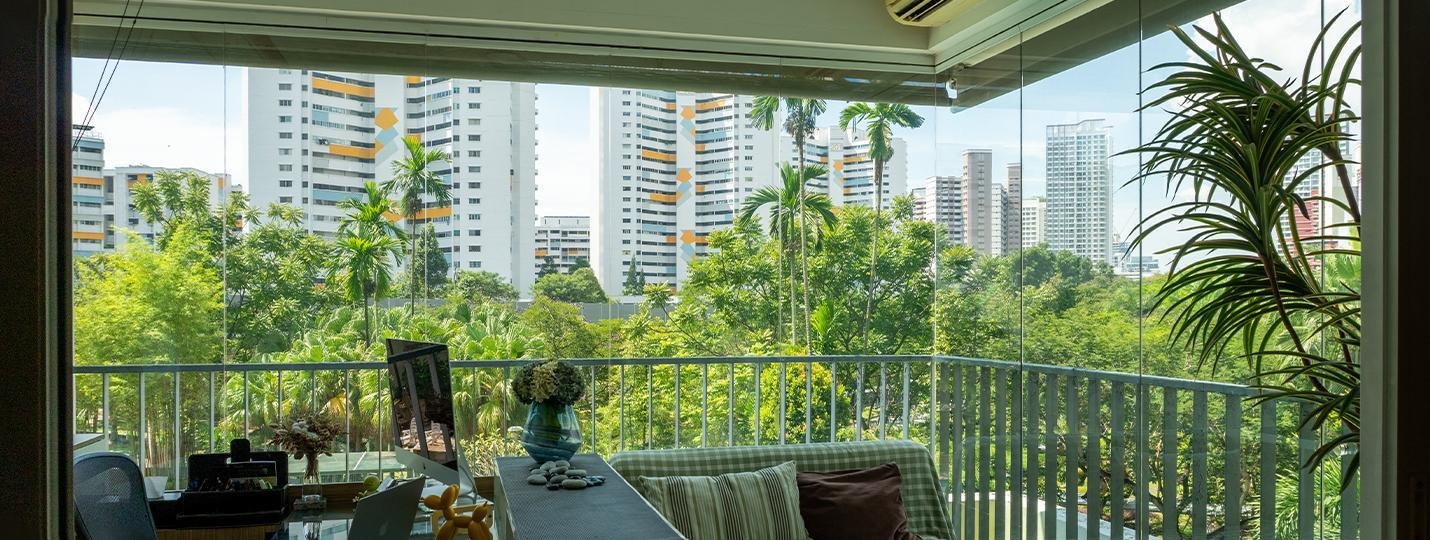
Physical barriers are often one of the most effective first steps, as they help reduce the volume of noise before it enters the home.
Solutions such as Ziptrak® Outdoor acoustic blinds and Glass Curtains® are commonly used to help reduce balcony noise in Singapore homes. Glass Curtains® may be particularly effective for reducing louder external noises, and has been tested to achieve sound reduction of up to around 25 dB.
Both options are engineered to create a proper seal, minimising leakage points where sound may enter. The Ziptrak® system uses a patented side track that locks the fabric in place with no gaps, for instance.
Beyond acoustic benefits, both systems also provide rainproofing and heat protection (pertains to Ziptrak blinds) while maintaining natural light for balconies. They are also flexible and non-permanent enclosures, so you can open the balcony fully whenever desired.
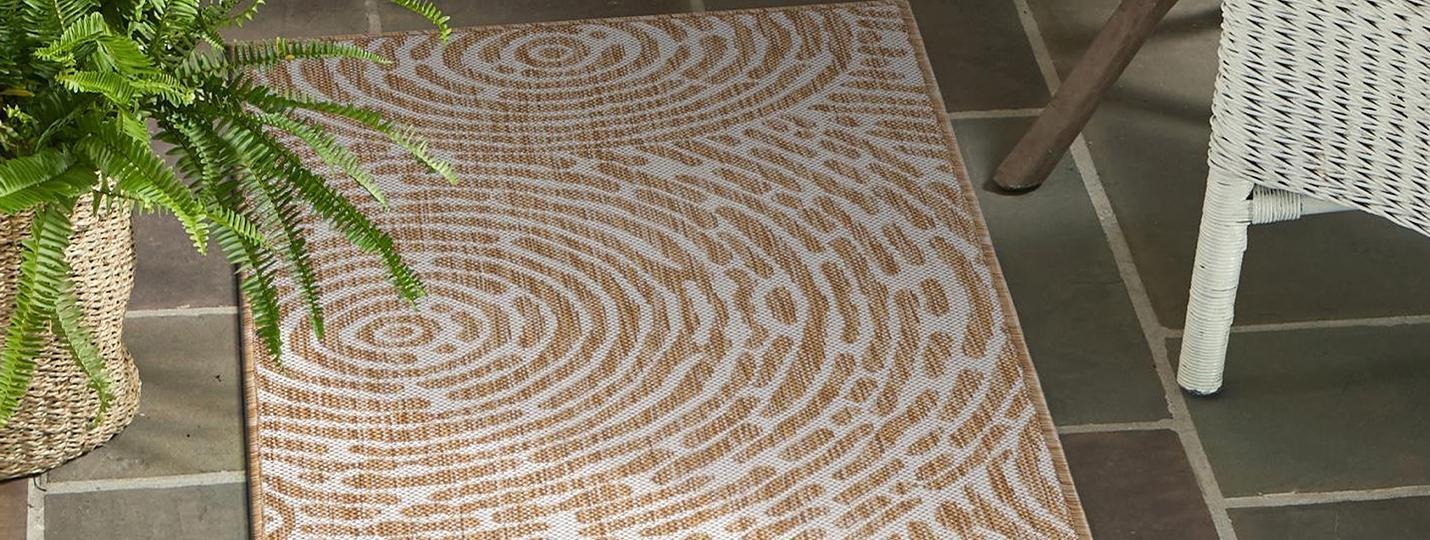
Hard surfaces like tiles and concrete can reflect sound easily. This can make noise feel more noticeable as sound continues bouncing around the balcony area.
Adding soft, sound-absorbing elements to the balcony may help. Outdoor rugs, cushioned balcony furniture or soft furnishing serve as functional decor and can also help break up sound reflections, for instance.
You can even add tall, leafy potted plants. These work together to reduce the echo by diffusing sound waves in the space.
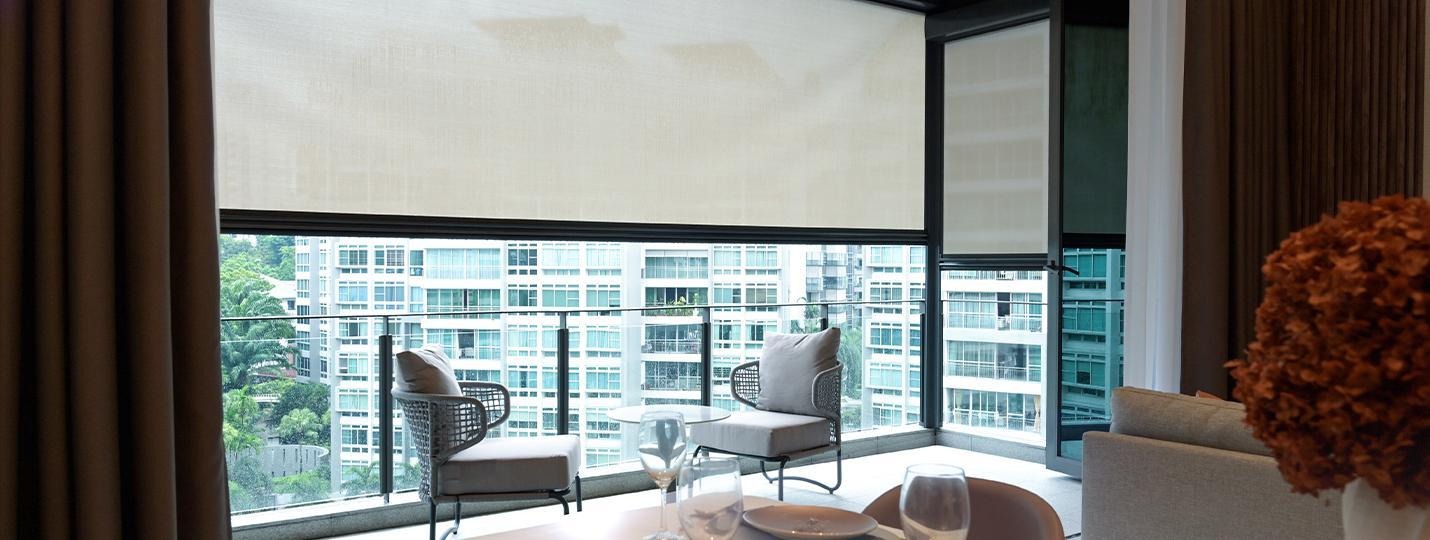
For homes in high-traffic areas, a second layer of protection can further improve sound reduction. This involves a “dual-barrier” approach where you have outdoor blinds for the balcony and indoor blinds or curtains behind the balcony doors.
An example of this would be to use Ziptrak® Outdoor blinds for the balcony paired with Ziptrak® Interior blinds for the rooms adjacent to the balcony itself. This becomes the final filter for any remaining sound leakage.
Ziptrak® also has acoustic fabrics that have been tested to reduce noise by more than 10 dB. This offers one of the most effective ways to execute layered sound reduction compared to other solutions.
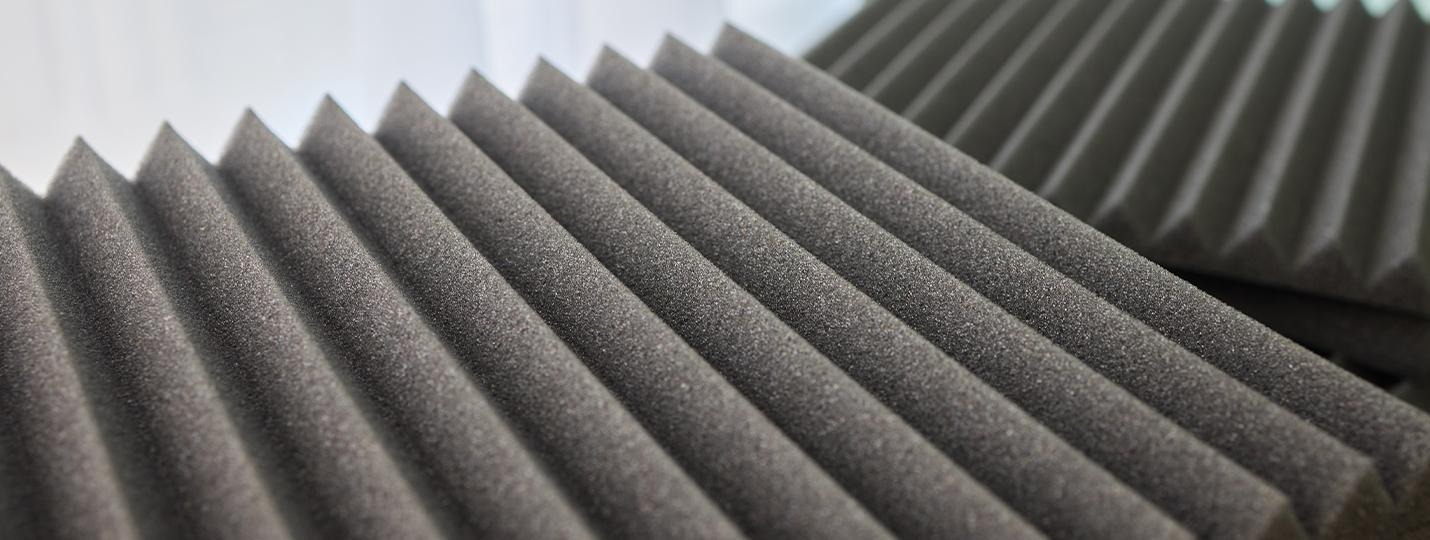
Indoor sound absorption can complete direct balcony solutions. It helps you manage sound that has already entered the home, stopping it from reverberating off interior walls.
Consider options like indoor acoustic panels or high-pile carpets and rugs. Soft furnishings, heavy fabric sofas, and fabric wall art may also help. They trap sound waves, preventing noise from bouncing around.
Balcony noise is a common challenge in many Singapore homes, but there are practical ways to reduce its impact. The most effective solutions typically help to reduce outdoor noise while dampening it indoors with indoor sound-absorbing elements.
By combining solutions like Glass Curtains® or Ziptrak® blinds with suitable indoor treatments, homeowners can create a quieter and more comfortable living environment.
If you’d like to see these in person, enquire with our experts at ClimaShield or book a visit to our showroom today!


