

%20(28).png)
Our island has its share of environmental challenges for anyone trying to keep a tidy home. Dust and humidity are just two examples.
Homes located near main arterial roads or MRT lines are particularly prone to airborne pollutants. Meanwhile, high humidity and frequent rain can bring concerns such as the growth of mould and mildew in hidden corners.
These conditions can lead to poor air quality for residents. They can also lead to eventual physical damage to the home itself through mould or mildew.
If you want to learn how to improve indoor air quality or achieve more effective mould prevention, read on. This guide outlines practical strategies that offer a systematic, layered approach to home maintenance and environmental control.

One of the most effective ways to reduce dust in home settings is simply to clean often. To avoid being overwhelmed by the task, it may help to rank areas that need attention.
Identify places that are high-dust zones, such as window tracks, balcony door frames, and ceiling fan blades. They tend to collect the most debris and should get higher priority when cleaning.
By doing this, your efforts can yield the most significant impact on air quality. When cleaning, try to use vacuum machines equipped with HEPA filters as well.
HEPA filters are High-Efficiency Particulate Air filters, i.e. ones designed to be capable of trapping even fine dust particles. Other filters will rarely suffice and will only let the dust pass through the vacuum.
If your vacuum lacks a HEPA filter, consider wet-wiping surfaces or mopping them instead. This can help you capture allergens instead of stirring them up and into the air.
You can also pair your cleaning with strategic ventilation schedules. Opening windows during off-peak hours (e.g. early morning or late night) allows clean air to enter your home.
If you do it during off-peak hours, you also get less-polluted air into your home thanks to the reduced traffic volume and industrial activity at these times. Conversely, keep your windows shut when activity is high outside.
Try to keep your eye on the Pollutant Standards Index or PSI as well. It can help you determine when there are haze periods, which is when you should keep the windows shut.
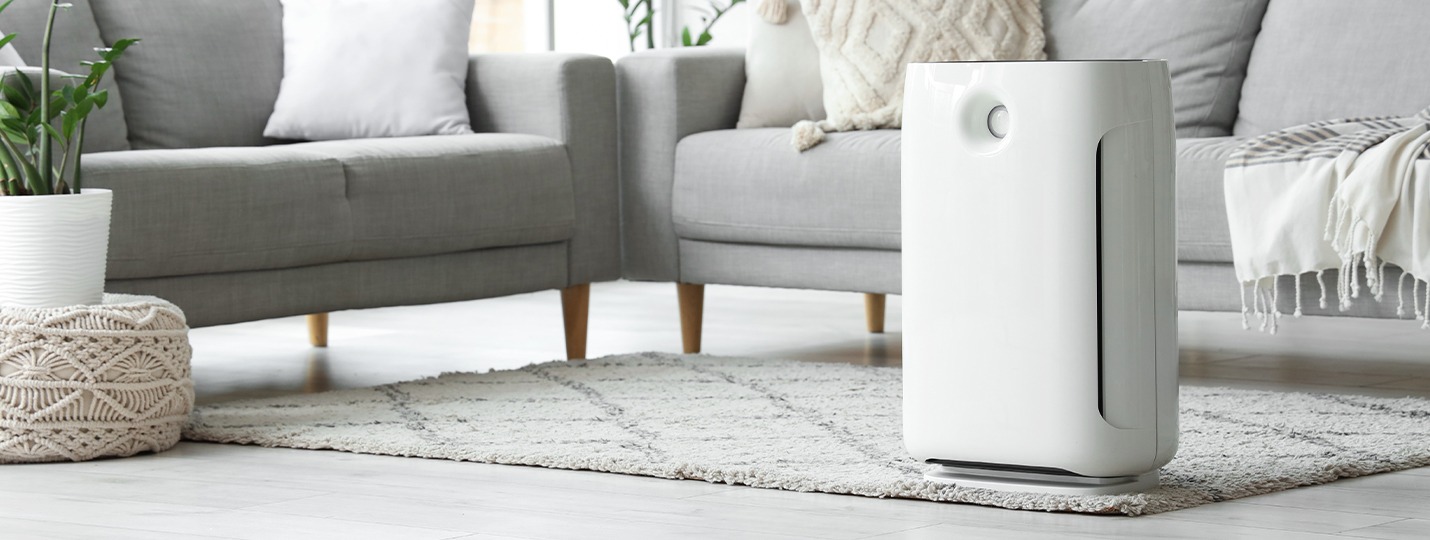
Good air purifiers can help trap fine dust particles and airborne allergens. Choose ones equipped with medical-grade HEP filters again and be strategic in their placement.
Ideally, these purifiers should be in high-traffic areas like the living room. However, you can also put them in rooms where residents spend the most time, e.g. the bedroom.
Remember to maintain your air purifier as well. Most filters require replacement, with each manufacturer typically providing a schedule for that. Failing to replace them on time can lead to the filter becoming a source of secondary pollution.
You can replace the purifier with certain indoor plants that are known for air-purifying properties. Examples of such plants that can tolerate Singapore’s humidity and require relatively low maintenance are the Snake Plant and Spider Plant.
Be careful about their placement, however, as plants still need light to thrive. Consider how much sunlight the plants will get when choosing where to put them.
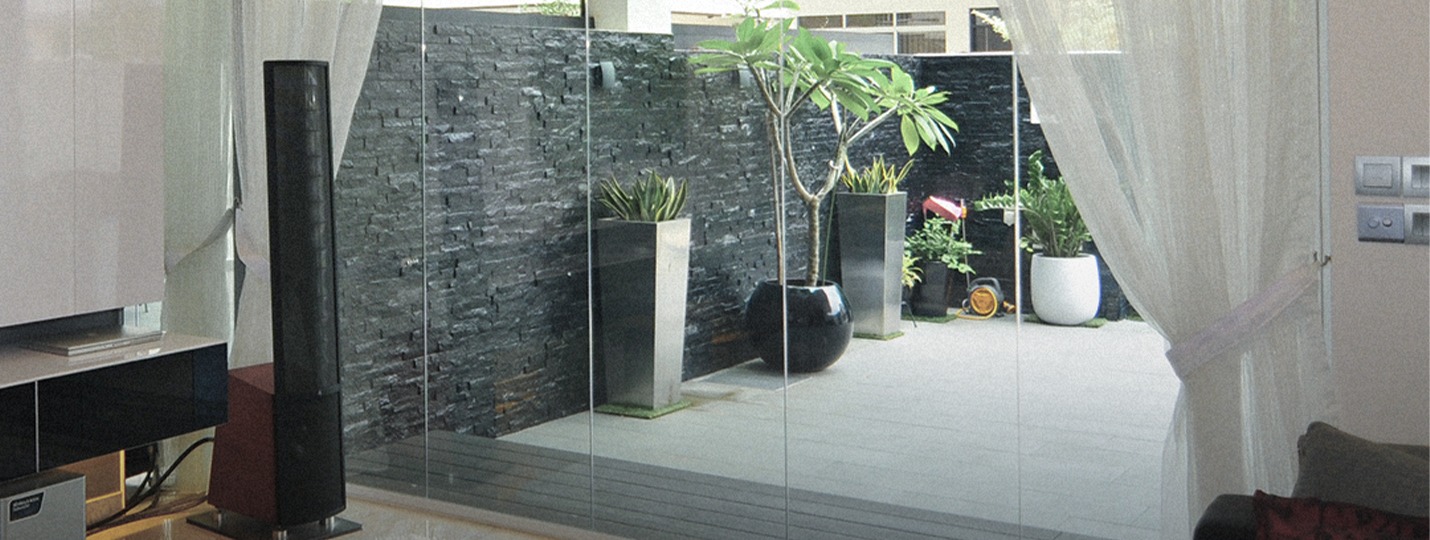
Open or partially exposed balconies are often the key transition zones where dust and damp air enter the living space. They can funnel wind-driven rain and pollutants directly into the interior of the home.
A solution is to install high-quality physical barriers. They can serve as functional buffers between the outdoors and its pollutants, and your living area.
Examples of such barriers are Ziptrak® Outdoor Blinds and Glass Curtains® – both can prevent dust in rooms by creating a layer of protection between your home and the outdoors.
Ziptrak® systems are also known for their convenience and ability to create a proper seal against rain spray and strong winds. The blinds operate on a track-guided design that prevents fabric from flapping or leaving gaps for debris to enter.
Glass Curtains® can achieve the same thing while offering a different aesthetic. They offer a complete transparent barrier that can also block noise, smells or haze.
Both effectively control what can pollute your home at the usual source of entry. This can help homeowners reduce the frequency of their cleaning.
These systems also allow homeowners to transform balconies from uncomfortably dusty or humid spaces to comfortable and usable ones, regardless of the weather.

Many homeowners fail to take air conditioning servicing seriously and skip it for long periods. However, dirty air conditioner filters and fins can recirculate accumulated dust and even mould in the home.
The unit also has to work harder when clogged with debris. This can lead to higher energy consumption and even potential mechanical failure.
Aircon filters should be washed or vacuumed every three to six months, depending on frequency of use. Professional chemical maintenance should also be scheduled periodically to remove deep-seated contaminants.
As an added tip, homeowners should also avoid over-cooling rooms with their airconditioning. It can lead to excessive condensation in hidden areas, which can lead to mould and mildew growth.

Dehumidifiers are essential for moisture control. Excessive humidity is often the root cause of mould and mildew growth in Singapore, where indoor humidity often goes over 80%.
Most health standards prescribe an indoor humidity level of anywhere from 40% to 60% for comfort. You can get one for your home and set it to aim for that target.
Note that dehumidifiers should be used in rooms where the windows and doors are kept closed. This ensures the machine is drying the air in the room instead of attempting to dehumidify the entire outdoor environment.
For dust reduction and mildew or mould prevention, the best approach is often multi-pronged. No single solution can completely address the complex issues of dust and moisture.
The tips provided above may seem overwhelming at first. However, they can be implemented through consistent small improvements or scheduled tasks. Homeowners may begin with one or two strategies at first, then add more later.
Maintaining indoor air quality is an ongoing process. Over time, integrating more layers of protection will turn those measures into natural habits or parts of your environment. This can help you create a healthier space for you and your family.
If you want to begin setting up your home’s protection against dust and humidity, consider reaching out to ClimaShield. We can show you solutions like Glass Curtains® and Ziptrak® Outdoor Blinds, which may be what your space needs!
You can also book a showroom visit with us to see these solutions in action. Take the first step to a more comfortable home today.


